
Our approachPrevent · Protect · Restore
The HUG Project / What we do
Three stages, in the order a child moves through them.
Prevention keeps a child out of harm. Protection gets them out of it. Restoration is the part that takes years, and the part most programmes stop funding first.
Stage one · Prevent
Teach the room around the child.
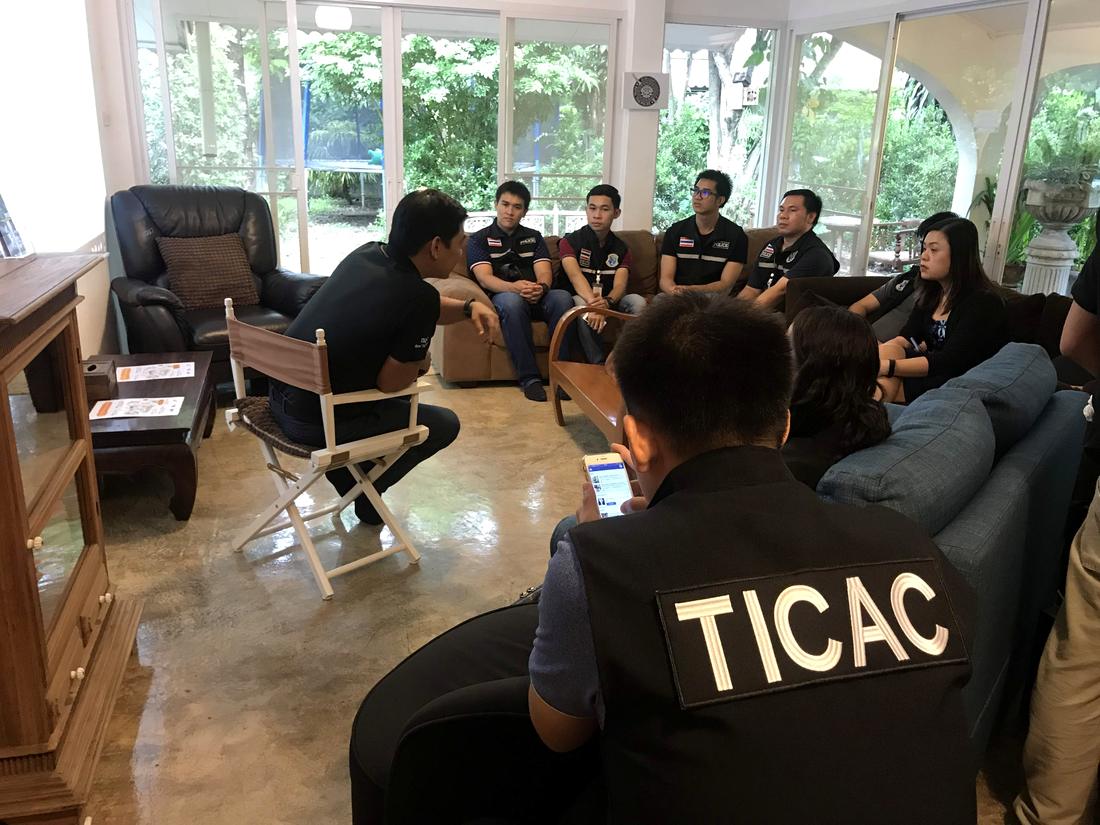
We train the adults a child is most likely to tell first: teachers, caregivers, and community volunteers, alongside the children themselves. The material informs without frightening children into silence.
- Internet safety courses in schools across northern Thailand
- Curriculum published free for any organisation to use
- Filtering software installed and handed over to schools
Stage two · Protect
Stand beside the child through the case.
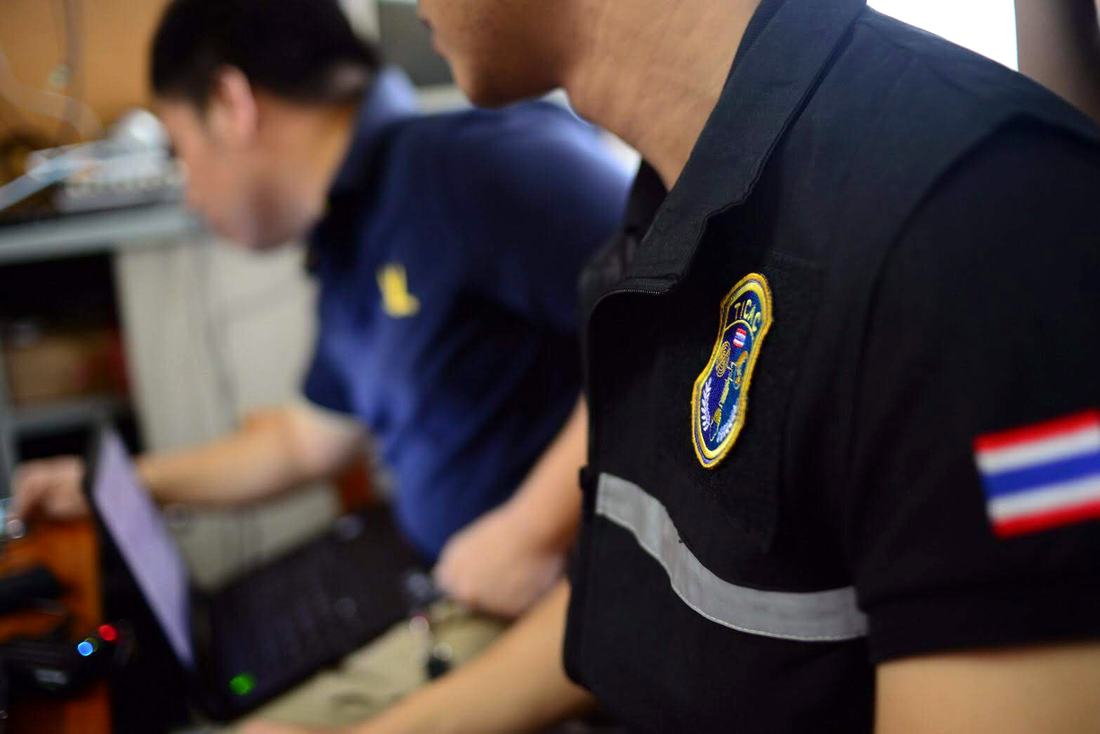
A case means interviews, medical examinations, and a court process built for adults. We work inside the TICAC task force so that process is child-centred, and so no child goes through it alone.
- Victim identification and fact-finding with Royal Thai Police
- Child forensic interviews and case consultation
- Court preparation, legal assistance, and compensation claims
Stage three · Restore
Stay long after the case closes.
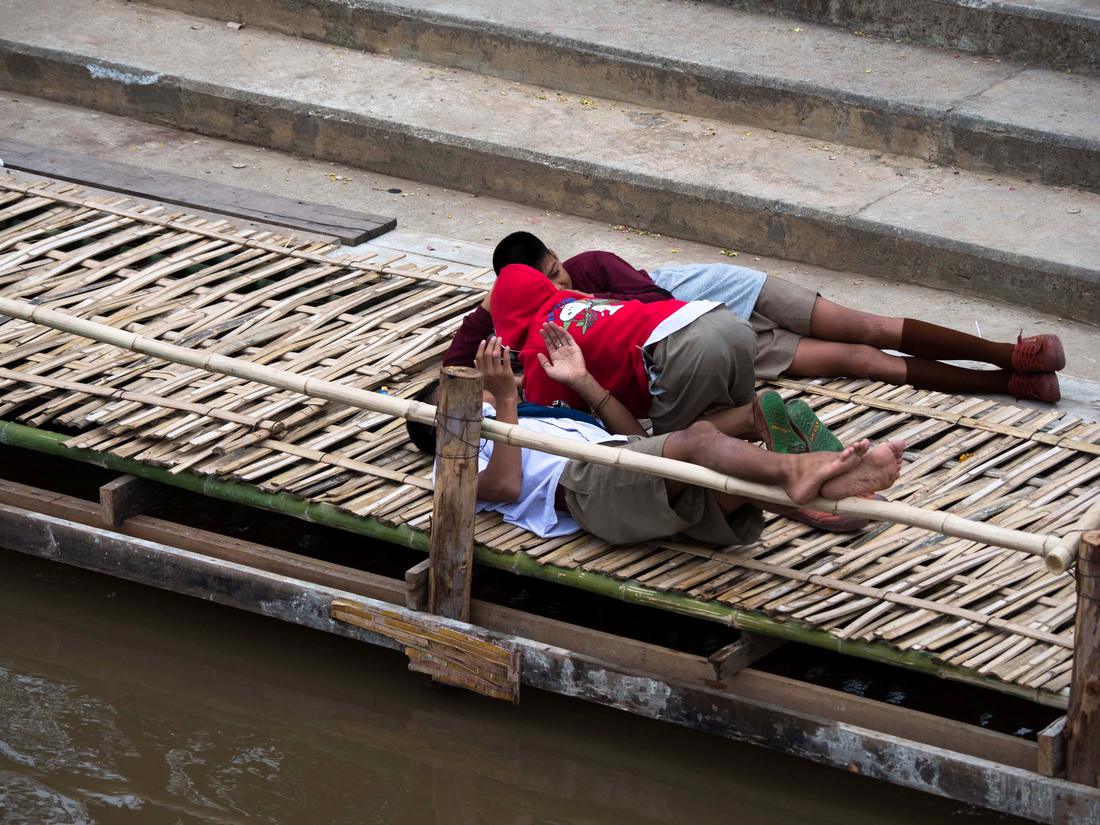
Recovery is not an outcome you can report in a quarter. Children need housing they trust, schooling they can return to, therapy that does not re-traumatise them, and an adult who is still there in three years.
- Trauma-informed counselling and long-term case management
- Shelter, education, scholarships, and vocational training
- Family reintegration and home visits where it is safe
The model
One room, one interview, one telling.
Before Thailand had Children’s Advocacy Centers, a child who disclosed abuse was sent from agency to agency and asked to describe what happened at every stop. HUG opened the country’s first CAC in Chiang Mai to end that. Five now operate nationwide.